Every licensed care home has one number that follows it everywhere: its licensed capacity. It’s on your license, in your file with the Department of Social Services, and — when the time comes — near the top of every conversation with a serious buyer. For something so central, it’s surprisingly misunderstood.
What the number actually is
Licensed capacity is the maximum number of residents your facility is approved to serve at any one time. It’s set by DSS through Community Care Licensing (CCLD), and it’s not simply a count of your bedrooms. It reflects the whole picture the licensing analyst evaluated: the physical home, the program, the staffing plan, and the needs of the residents you’re approved to accept.
That’s why two homes on the same street, with the same floor plan, can carry different capacities. The license describes an approved operation, not just a building.
Licensing rules vary by facility type and situation — this is general information, not legal advice. DSS/CCLD is the authority on what applies to your home.
Why buyers read it first
When a buyer looks at a care home, capacity is the first number they anchor on, for a simple reason: it’s the ceiling on the operation. Everything else — census, staffing model, the rhythm of the house — lives underneath it.
It also sorts the buyer pool. A six-bed residential home and a larger licensed facility are genuinely different businesses: different staffing patterns, different management demands, often different buyers entirely. Knowing your number tells us which buyers to quietly put your facility in front of.
Capacity and the physical home
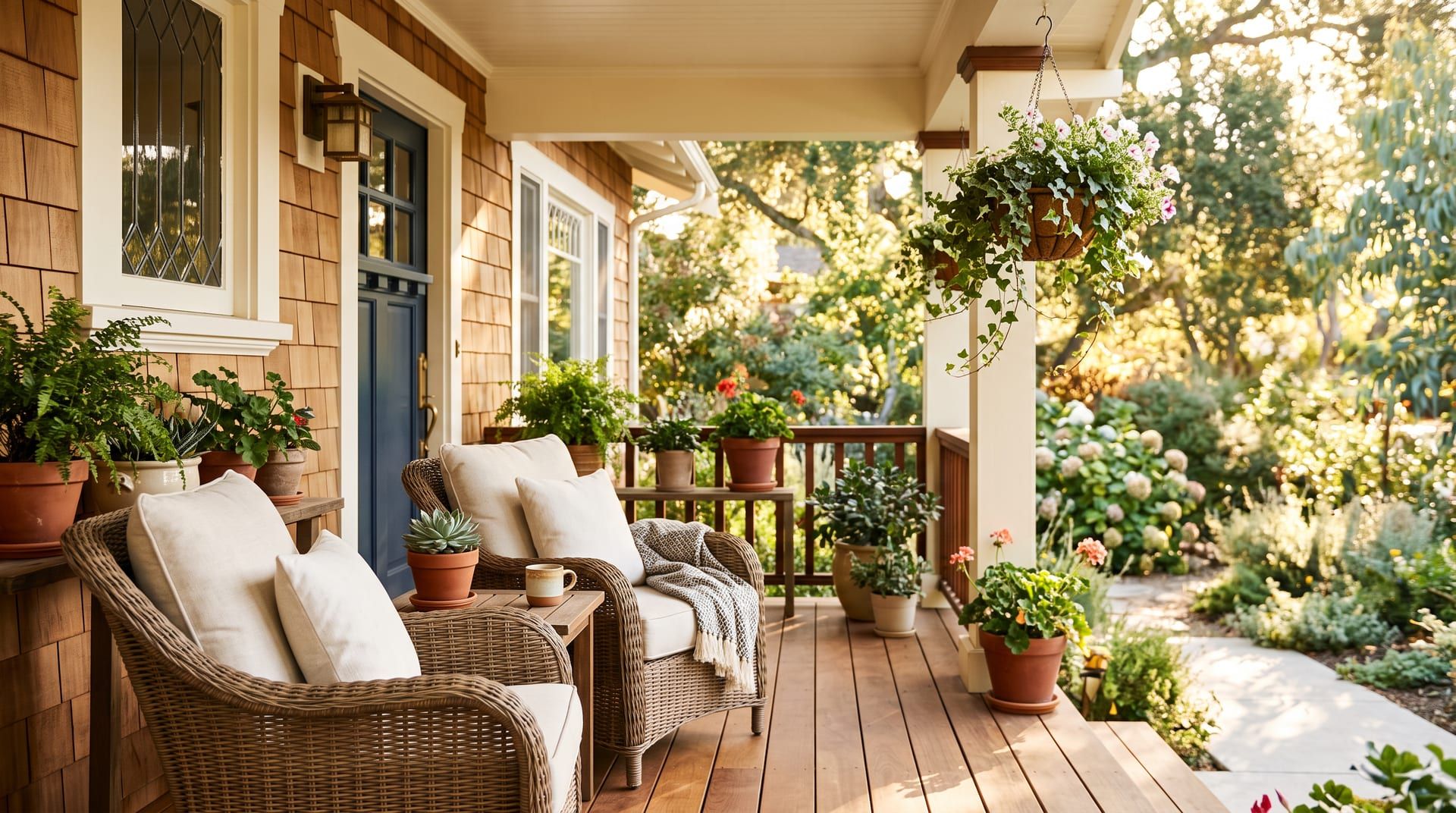
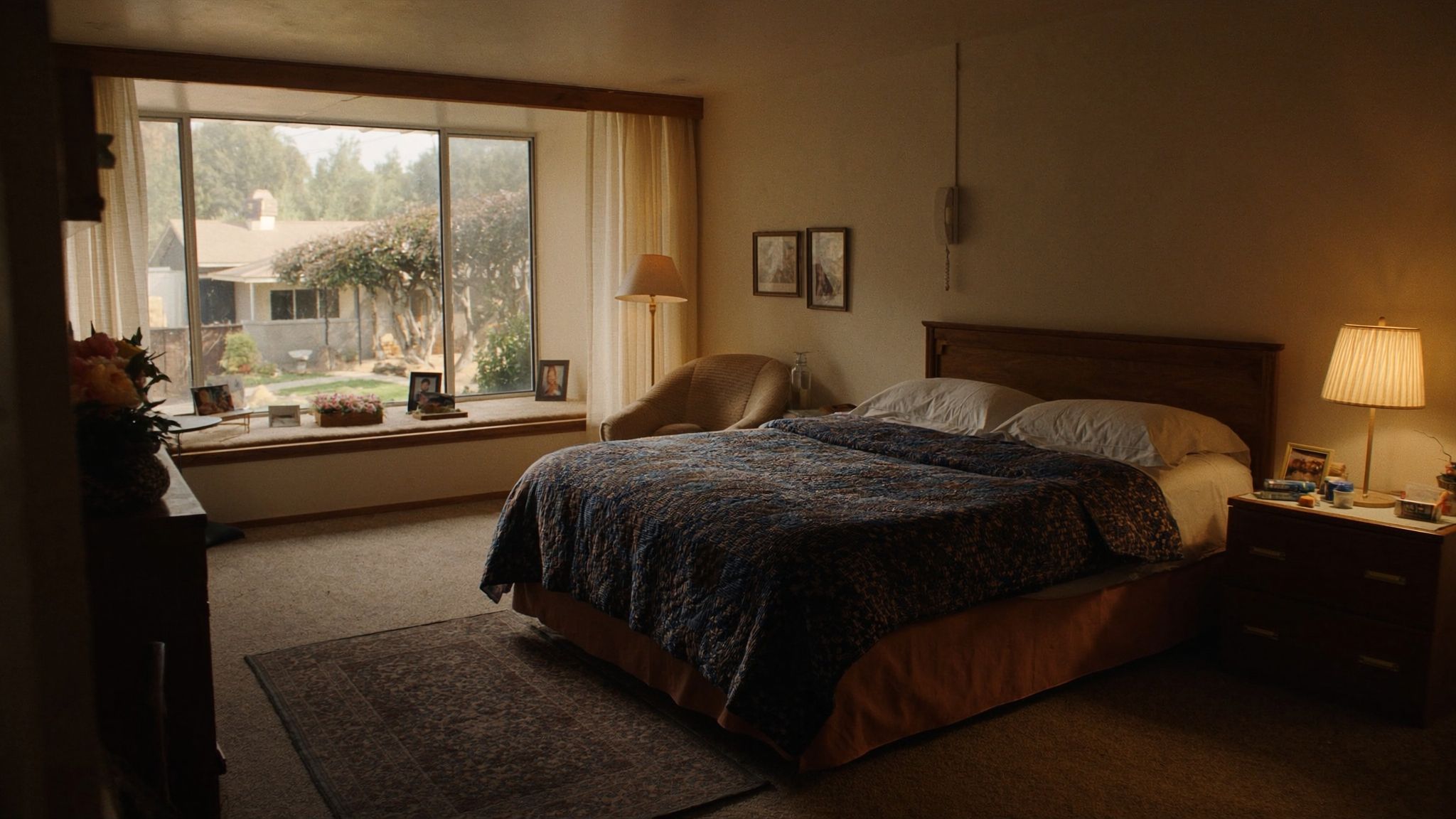
The building sets the practical limits on what a license can support. When capacity comes up, the conversation usually turns to:
- Bedroom configuration — how rooms are sized and shared
- Common areas and bathrooms — the spaces residents actually live in
- Fire and building clearances — especially where non-ambulatory residents are approved
- Any conditions on the license — approvals that shape who the home can serve
A home that comfortably supports its licensed number — with room to breathe — reads very differently to a buyer than one that’s stretched to reach it.
What happens when you sell
Here’s the part that catches many owners off guard: capacity doesn’t transfer with the deed. A buyer applies for their own license, and CCLD evaluates their application and the home fresh. Your license history still matters enormously — a facility with a clean record, operating steadily at or near capacity, gives a buyer confidence that the number is real and reachable. But the buyer earns their own license; they don’t inherit yours.
Know what your number is worth
Capacity is one of the biggest drivers of what a licensed care home is worth — but it’s one input among several, and the interplay is where experience helps. If you’re curious what your facility would command, request a free confidential valuation or talk to an agent. No obligation, completely private, and you’ll know exactly where your number puts you.